Sowing dependencies: corporate power, just transitions and the fight for food sovereignty

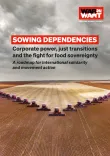
These dependencies are the result of deliberate political and economic choices, made over decades, that have consistently prioritised corporate profits and dividends for the ultra-rich, export-oriented production and financial speculation over food sovereignty, agroecology and democratic control over food systems.
Food sovereignty offers a pathway for just and equitable transitions. Across the world, social and labour movements, peasant organisations, Indigenous communities and food sovereignty networks are already advancing the alternatives. Agroecological farming systems, community seed banks, territorial markets, solidarity economies and democratic stewardship of the commons are working realities, delivering greater adaptation, stronger livelihoods and healthier ecosystems wherever they receive the political and financial backing they need.
The question is not whether these alternatives work, but whether the structural conditions that keep them marginalised and underfunded can be changed.

Stop Public Money Fuelling the Food and Climate Crises
Take action!Share this page

Global Green New Deal
Food
