Climate 'change': the facts
At a time when world leaders deny our reality and spread misinformation, what exactly are the facts about our rapidly heating world?

What is climate change – and why is it now a crisis?
Climate is the long-term average pattern of weather over time for a specific region – things like temperature, rainfall and wind. Climate change is a long-term shift in these patterns. While climate can change naturally, the crisis we are living through today is caused largely by human activity – especially the burning of fossil fuels such as coal, oil and gas, which release greenhouse gases into the atmosphere that drive climate change.
Because of this, the world is now heating more rapidly than at any point in recorded human history. The knock-on effect is that our environmental systems are breaking down faster than ever – from the ice sheets melting, to the ocean acidifying, to the destruction of biodiversity. That’s why this isn’t just climate ‘change’ – it’s climate breakdown.
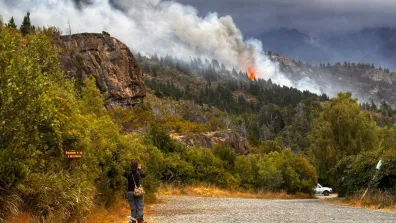
We call what’s happening a climate crisis, because these changes are not gradual or distant – climate breakdown is already leading to climate disasters around the world, with extreme droughts and flooding disrupting food systems and lives and livelihoods, and driving growing inequality around the world.
What’s causing climate change – and the climate crisis?
Our global dependence on fossil fuels has caused climate breakdown and the climate crisis, and continues to drive it. For decades, oil, gas and coal corporations have made billions from extracting and burning these fossil fuels, releasing huge amounts of greenhouse gas emissions into the atmosphere. Some of the world’s largest polluters, including corporations like Shell and BP continue to generate record profits even as the impacts of the climate crisis intensify.
Rich countries like the UK have built their economies on fossil fuels over centuries, driving the majority of historical emissions. Today, governments continue to enable this system of profit over planet and people, through subsidies and tax breaks for polluting corporations, and new licences for oil and gas extraction.
This is why the climate crisis is not inevitable – it is the result of political choices, and a fossil-fuel-driven economy that continues to prioritise profit at all costs.
What are the impacts of climate breakdown, and who is bearing the cost?
The effects of climate breakdown are already being felt around the world – but not equally. Those who have done the least to cause the climate crisis, particularly communities across the Global South, are being hit the hardest, and are facing more frequent and intense floods, droughts and extreme heat.
Climate breakdown is disrupting food systems, threatening lives and livelihoods and forcing people from their homes – with more than 20 million people displaced by climate disasters each year. As temperatures rise, these impacts will only intensify, deepening poverty and widening global inequality.
How are fossil fuels linked to war?
Extracting and burning fossil fuels isn’t just driving the climate crisis – it is shaping global politics and conflicts. Control over oil and gas has long driven wars, instability and international tensions, from the Middle East to Latin America. Today, conflicts like the war in Iran show how dependent the global economy remains on fossil fuels, with around a fifth of the world’s oil passing through the Strait of Hormuz – meaning disruptions can send energy prices soaring worldwide.
At the same time, powerful countries and corporations continue to compete for access to resources, from oil in Venezuela to critical minerals needed for renewable energy. This scramble for resources and minerals follows centuries old patterns of extraction and exploitation, where Global North interests are prioritised while Global South communities bear the costs.
How will the UK be impacted by the climate crisis?
The UK will not be hit as hard as many countries in the Global South by the climate crisis – at least not yet. But this uneven impact is at the heart of what’s often called climate justice: the idea that those who have contributed least to the crisis are already facing its most severe consequences, while richer countries like the UK have both benefited from an economy built on fossil fuels and have greater capacity to respond, yet are not doing enough.
That doesn’t mean the UK is unaffected. Here, the impacts are already being felt – especially by working-class communities – from rising energy bills to the wider cost of living, as our dependence on fossil fuels leaves us exposed to global shocks, including conflicts like the war in Iran.
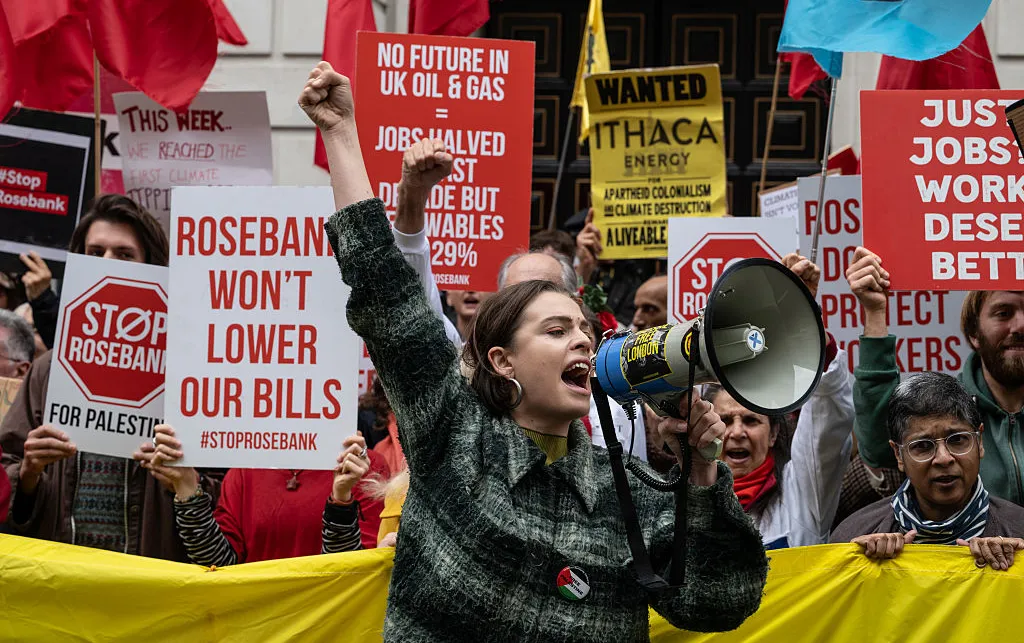
These pressures are only set to grow. Climate breakdown is already affecting food production globally, meaning higher prices and less reliable access to everyday goods. Yet despite this, the UK continues to consider new oil and gas projects – such as approving the Rosebank oil field – locking us further into the very system of fossil-fuel extraction which is driving the crisis.
Can climate breakdown be reversed?
We can’t reverse climate breakdown, but we can still prevent the worst impacts. That means rapidly moving away from fossil fuels and ramping up the transition to renewable energy, like wind and solar.
The solutions to climate breakdown exist. What’s missing is the political will to scale them fast enough.
Article: Global Green New Deal: 10 interventions to transform our world
Learn more about our call for a Global Green New Deal
Read the articleWhat are the solutions to the climate crisis?
Renewable energy is rapidly expanding, for example in Spain the national electricity grid has already run entirely on wind, solar and water for a full working day – showing that a future beyond fossil fuels is not only possible, but already happening.
But dealing with the climate crisis isn't only about moving away from fossil fuels. It means transforming our energy system – so that the transition away from fossil fuels towards renewable energy works for people, not corporate profit. It's also about transforming our food systems so that land, water and livelihoods are protected – not exploited. And it means making sure the countries and corporations most responsible for the climate crisis pay their fair share to support a just transition to fairer societies and economies built on equality and justice.
What needs to happen now?
For years, fossil fuel corporations have pushed the idea that climate ‘change’ is down to individual choices. While individual action matters, it is not enough.
Climate breakdown is being driven by our economic and political systems – and it will take systemic change to address it. That means holding fossil fuel corporations accountable, ending new oil and gas projects, and ensuring that rich countries in the Global North pay their fair share for the damage they have caused. Despite what we are often told, public support for action is not the barrier – globally, around 89% of people want governments to do more to tackle the climate crisis.
This crisis was created by political and economic choices – and it can only be solved by changing them.
This article was last reviewed on 28.03.2026.
Share this page
Read next
Our food system is broken: we need 3 urgent changes to fix it
Who pays the price of extraction?