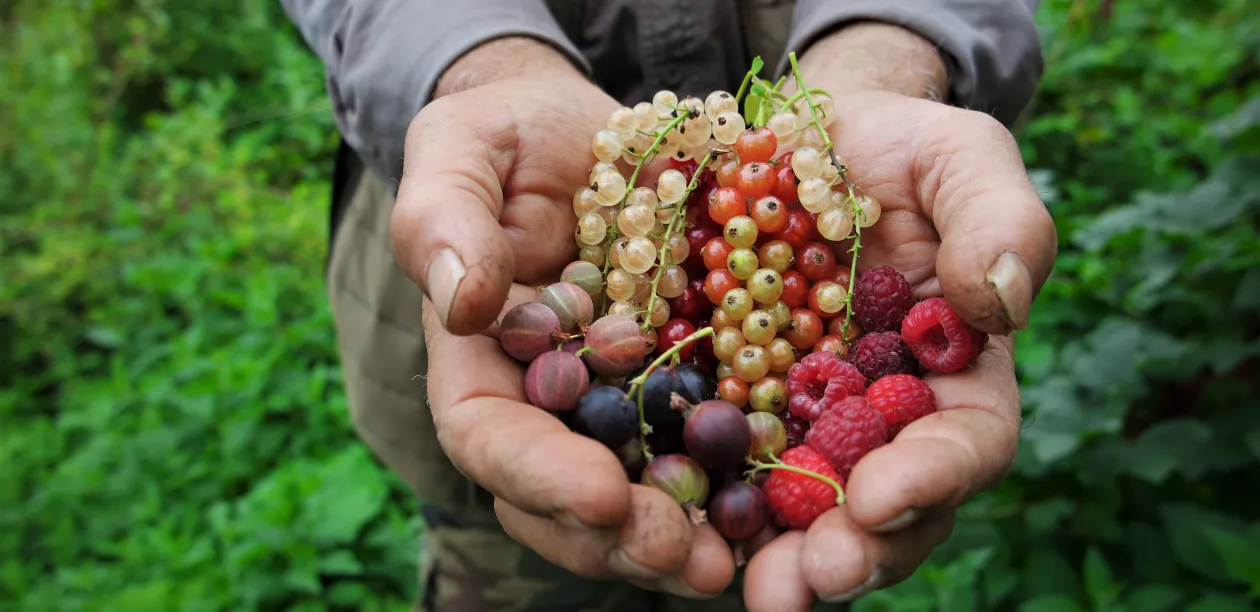
Bitter Fruits: Trade, Labour, and Inequality in UK–Morocco Food Supply Chains
Workers plant and irrigate crops in Moroccan greenhouses, harvest them at peak ripeness, and move them from field to kitchen.
This network of transnational labour sits at the heart of modern supply chains, which are structured above all to maximise profit. Morocco's low-cost, year-round production of fruit and vegetables for export appears to be a natural advantage for the country's economy, but it masks low wages for workers, weak local investment, and the overexploitation of land and water.
People in the UK are not bystanders: the same tomato passes through many hands in both countries, and that shared connection is the basis for solidarity.
A fairer model means better wages and working conditions, stronger social infrastructure, and a food system grounded in food sovereignty: one that leaves space for local needs and the right to food, not just export markets and corporate power.
Share this page