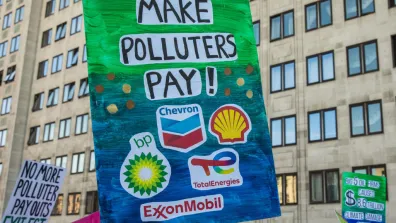
Who pays the price of extraction?

What are sacrifice zones?
There are certain areas in the world that are treated as expendable by our economic and political systems. These are places where pollution and the loss of access to vital water sources become acceptable, where the loss of biodiversity is normalised, and where respiratory illnesses, forest fires and oil spills become part of everyday life. Areas in which communities bear a disproportionate share of the environmental, social and health costs for the benefit of a few.
These areas are ‘sacrifice zones’. Most of them are found in countries of the Global South.
What is extractivism?
For centuries, humans, animals and whole ecosystems, mostly in the Global South, have been treated as resources to be extracted, exploited and consumed for profit, for the benefit of a tiny minority in the Global North. This is extractivism.
Extractivism can be seen in drilling for oil, fracking for shale gas and in large-scale mining projects – such as lithium extraction for electric vehicle batteries and other renewable energy technologies. This extraction is driven by growing demand in the Global North and in emerging economies – middle income countries such as India and Brazil – often without the consent of affected communities.
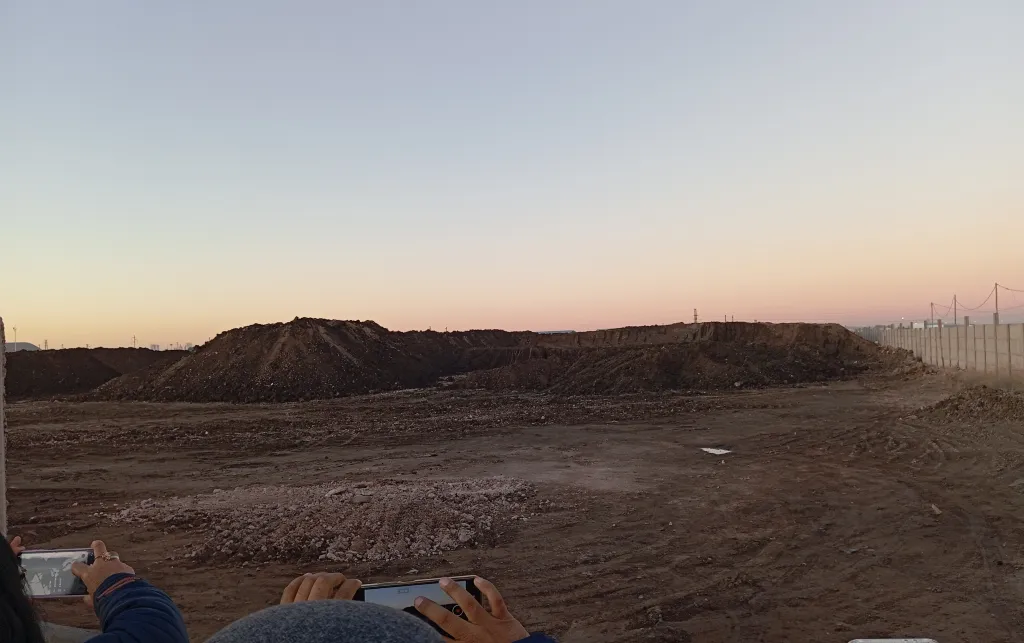
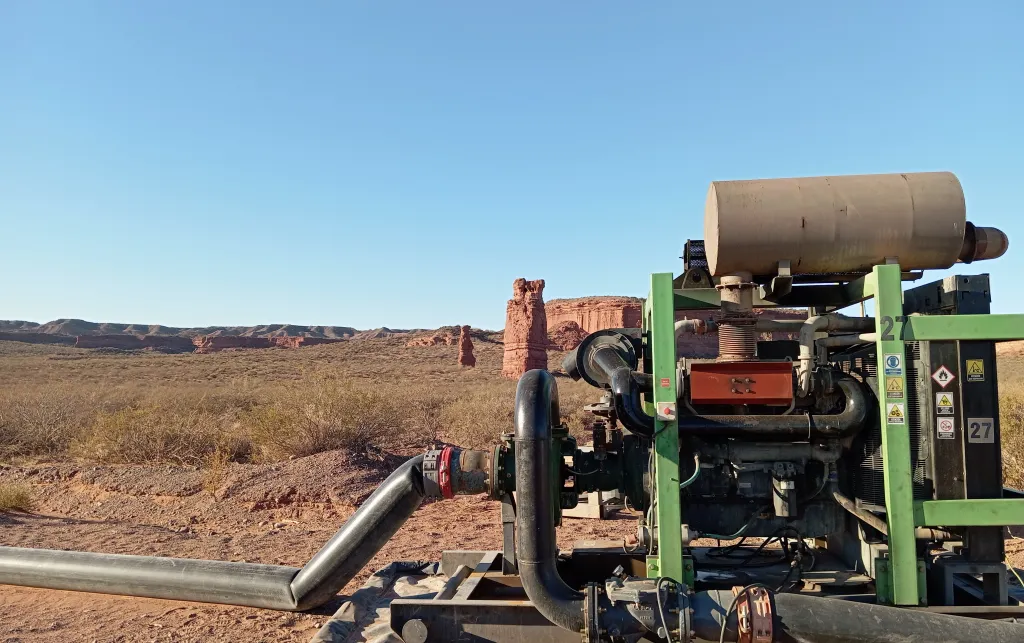
Neuquén, in the Northern Argentine Patagonia, is a sacrifice zone where extractivism is happening. The Vaca Muerta fracking mega-project, which BP is the major investor in, is stealing Neuquén’s water to use in the extraction of shale gas and oil.1 Locals now only have limited access to water – which should be a common good – to sustain their sheeps, goats and to cultivate their fruits and vegetables. The project is having a significant impact on the environment and health – including from toxic waste illegally dumped on the land.
It’s undermining the ability of local communities and Indigenous peoples to live safe and dignified lives. Workers directly employed in the sector face extreme job instability, with constant cycles of hiring and layoffs that create long-term insecurity. Workers are also exposed to a growing number of accidents – including pipeline ruptures, toxic or radioactive waste spills, and even worker deaths – putting their safety at serious risk.
Despite the harm this extraction causes, the country relies on the profits from the Vaca Muerta project – so there is no political will to stop the fracking.
Extractivism today
For a long time, extractivism was mostly discussed in relation to large-scale mining, gas and oil extraction. But it is increasingly clear that it is much more than a specific industry. It is a way of organising economies and societies that prioritises extraction and profit over people and nature.
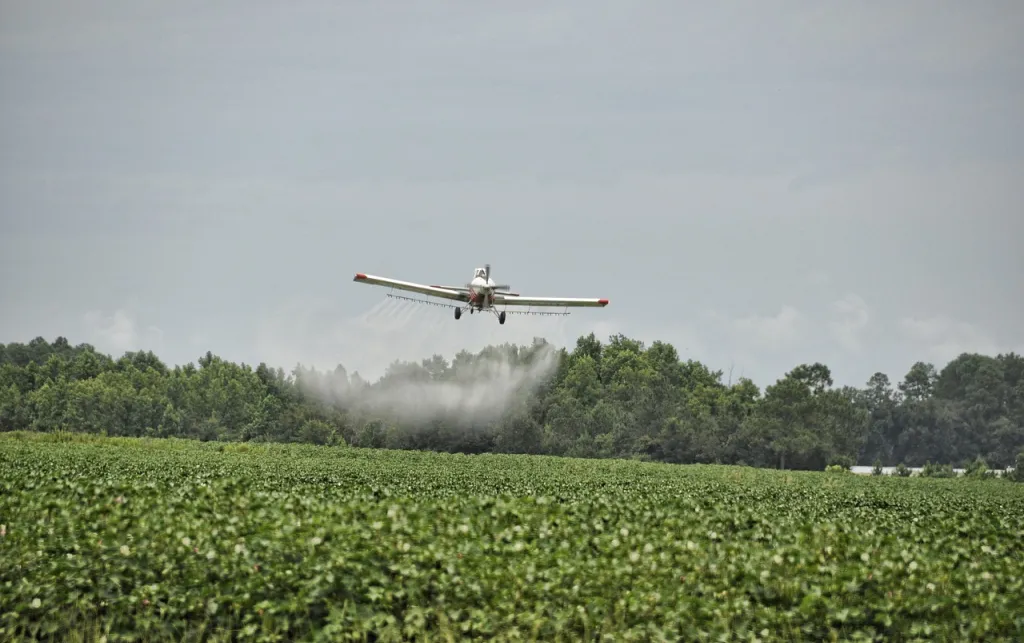
In industrial agriculture, monoculture ‘food’ production of crops such as soy, corn and wheat, as well as tea and coffee, are grown primarily for big corporations to export and profit – but expose entire communities to harmful pesticide spraying, including around rural schools.2 Extractivism is also found in monoculture pine and eucalyptus plantations that replace native forests and entire ecosystems, whilst at the same time being presented as ‘climate solutions’ by corporations looking to make a profit through carbon markets 3 (watch the video below to find out more). It’s also seen in corporate overfishing and intensive fish farming.
Pine monocultures are often used in carbon market schemes. Oil corporations fund these schemes as 'compensation' for pollution elsewhere. But instead of restoring native forests, corporations plant cheap pine monocultures, which are highly flammable and fuel wildfires in the Patagonia region.
Today, extractivism is also taking on new forms. It’s present in the large-scale infrastructure powering artificial intelligence, which consumes vast amounts of water and energy at the cost of local populations.
A shared underlying logic
Even though these industries are different, the damage follows the same pattern. The super-rich and large corporations in the Global North appropriate common goods such as water, land and energy. Meanwhile, communities in the Global South bear the costs through pollution, displacement and the loss of territorial sovereignty (not just the place, but the community, socio-economic structures, cultural practices that exist there).
Extractivism is often presented through narratives that make it appear unavoidable: secure jobs and modernisation, the need to attract investment and foreign currency or the repayment of foreign debts. 4 Yet these narratives can obscure a more fundamental question: who benefits from these projects and who bears their costs?
Many social movements and critical thinkers in Latin America describe what is happening in their territories as ‘maldevelopment’ (maldesarrollo). It is a model that promises economic growth but, in reality, deepens inequality, insecure work, economic dependence and ecological destruction. These harms are not accidental side effects – they are built into the extractivist model itself. 5
Extractivism is part of our rigged political and economic system – and has deep colonial roots.
Historically, countries in the Global South have been treated as a source of ‘resources’ for the Global North and foreign profit. In Latin America, these sources included gold, silver or agricultural monocultures. Today, they include oil and gas, lithium mining, as well as soya and forestry plantations.
The ‘resources’ change, but the logic remains the same: territories, ecosystems and communities are sacrificed to meet demand elsewhere.
How movements are resisting extractivism
Across Latin America, sacrifice zones are multiplying. As extractive industries grow, communities are facing increasing environmental and social harms.
Yet these territories are not empty spaces waiting to be exploited. They are living places, shaped by memory, culture, local economies, and deep relationships between communities and the ecosystems that sustain life – and communities are working to defend them.
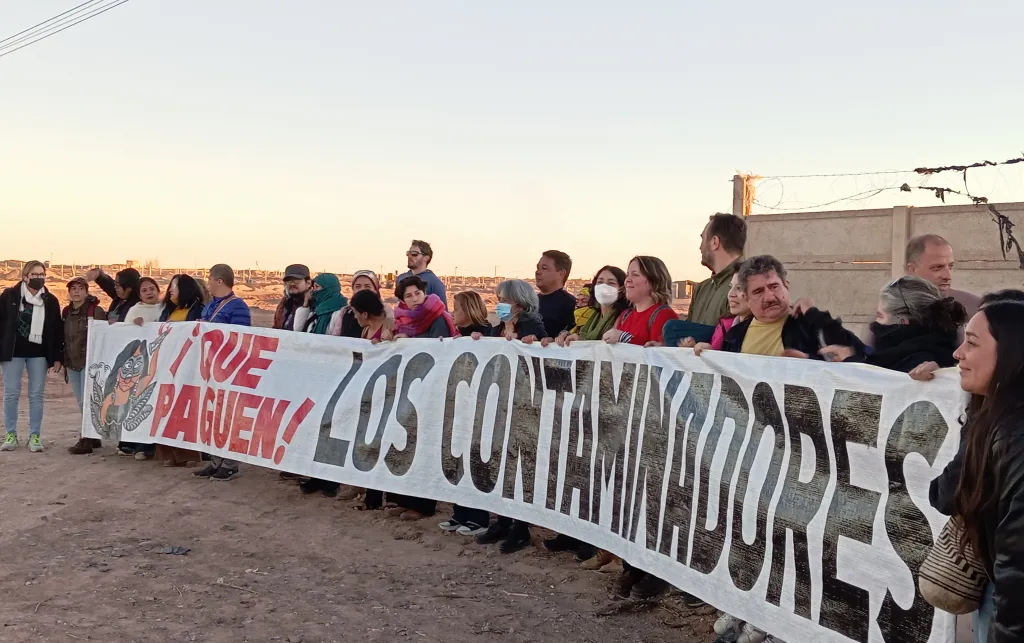
The Vaca Muerta fracking mega-project, in which BP is a major investor, consumes vast amounts of water to extract shale gas and oil. As a result, local communities have increasingly limited access to water – a common good they rely on to rear sheep and goats, and to grow fruit and vegetables.
A landmark criminal trial is currently taking place in Argentina against landowners, fumigation operators and public officials accused of harming the health of families living near fields where toxic pesticides were used – even though local laws had already banned the spraying. ACSSA (Asociacion Civil Salud Socioambiental) and the Plurinational Network of Pesticide-Affected Peoples, with support from War on Want, supported the victim, their legal team, and several scientists, ensuring they were able to attend and be called as witnesses. The activists also organised a large gathering in Rosario during the hearing against pesticide spraying.
Alternatives to extractivism are also being built. From agroecology, which promotes ecological farming, to food sovereignty, which defends people's rights to food, land, seeds and water, movements and activists on the frontlines of extractivism across the region are advancing different visions for their territories. Alongside community defence of water and proposals for a just energy transition that puts communities before corporate profit, they are showing that other ways of producing, living and relating to territories are possible.
Escaping the traps of extractivism is not impossible. Above all, it is a political decision.
Towards just transition
We must urgently move beyond asking how much economic growth these extractive projects generate, and instead ask why territories, bodies, and ways of life continue to be sacrificed in their name.
Only a just transition can get us out of this mess. This means moving to a more sustainable economy, so we stop destroying the planet – by changing how we work, produce energy and food, and use land. Ordinary people and communities whose livelihoods depend on extractive industries that must be phased out, such as fossil-fuels, must not be left behind. 6
Across different territories, geographies and socio-economic contexts, we need just transitions that guarantee decent work, strong public services and democratic control over energy, food and our common goods. This transition will look different for each country and community – but any transition must address the deep structural problems of our current political and economic system. A system that prioritises the wealth of the super-rich and corporations over the lives of communities, farmers, workers, Indigenous peoples and fisherfolk.
Only by putting people and planet before profit can we build a future without sacrifice zones.
Share this page
- 1
BP operates in the Vaca Muerta mega project through Pan American Energy (PAE), an integrated energy company and a 50:50 joint venture between BP and Bridas Corporation: https://www.upstreamonline.com/production/bp-controlled-player-to-invest-68…
- 2
https://waronwant.org/profiting-hunger/4-financial-sector-land-grabs/5-corp…
- 3
https://waronwant.org/news-analysis/protecting-biodiversity-rejecting-carbo…
- 4
https://waronwant.org/profiting-hunger/2-vicious-circle-foreign-currency-de…
- 5
Svampa, Maristella, and Enrique Viale. Maldesarrollo: La Argentina Del Extractivismo y El Despojo. 1st ed. Katz Editores, 2014. https://doi.org/10.2307/j.ctvm7bcs8.
- 6
https://waronwant.org/news-analysis/global-green-new-deal-10-interventions-…
Read next
Our food system is broken: we need three urgent changes to fix it
What is Investor-State Dispute Settlement (ISDS)?